1. Advanced Green Walls & Living Structures
Green walls and vertical gardens are at the forefront of biophilic design in 2025. New hydroponic systems with automated irrigation and smart sensors enable living façades to thrive in offices, event spaces, and public installations. At Chelsea Flower Show this year, living structures—think pergolas enveloped in climbers and vertical moss installations—were standout examples of nature-led architecture.
2. Sensory and Water-Integrated Gardens
A major trend spotlighted in 2025 is sensory-focused design anchored by water features. From subtle fountains to elaborate soundscapes, these installations calm, engage, and create layered sensory experiences). Architects are now layering rhythmic water sounds into receptions, lobbies, and breakout zones to promote wellbeing.
3. Trees as Built Elements
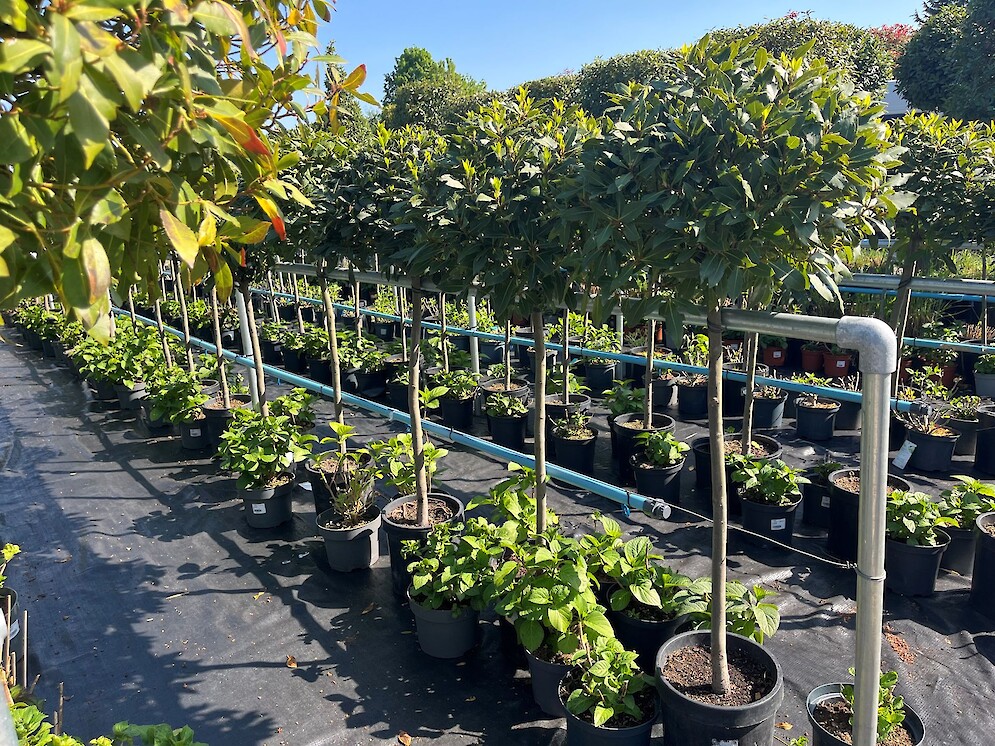
The trend of treating trees as structural features is gaining traction. High-profile indoor designs—including atria at Ford Foundation and Jewel Changi—are integrating mature trees into their built fabric. This approach fosters a dramatic visual statement and improves air quality, acoustics, and user wellbeing.
4. Mycelium and 3D-Printed Bio-Materials
This year’s Chelsea Flower Show also showcased experimental use of mycelium (fungal root) materials and 3D-printed landscape structures. Such bio-based design speaks to the future of sustainable, circular architecture—concepts that forward-thinking architects and ESG leads should monitor.
5. Biophilic Workspaces & Flexible ESG Integration
In hybrid office and event contexts, biophilic design has become a staple. Trends include flexible green zones—like lobby pods rich in foliage and shared green breakout spaces—supporting wellbeing, productivity, and collaboration. ESG teams are also prioritising materials with low embodied energy—timber, reclaimed stone, and living roofs—as seen in recent awards.
6. Nature-Inspired Materials & Textures
Beyond plants, natural materials—wood, stone, clay—are critical to biophilic schemes. Organic textures and earth tones reinforce the importance of material authenticity in design. Designers are weaving these into furniture, cladding, and finishes to connect users directly with nature.
7. Interactive Water & Multisensory Installations
Water is no longer a static feature. Interactive, sustainable water installations—think recycled rainwater, aquaponics, reflective pools—dominate the biophilic palette. They appeal to ESG goals through water recycling and promote a multisensory experience in urban settings.
Why These Trends Matter for Designers, Architects & ESG Leads
- Wellbeing & Productivity: Multiple studies confirm that plant-filled spaces boost mood, reduce stress, and improve cognitive performance. A recent analysis showed responses to biophilic elements improved 9–37% faster than traditional build-outs.
- Carbon & Environmental Benefits: Green façades and living roofs help regulate temperature, manage stormwater, and sequester CO₂—reducing energy use and stabilising indoor climates.
- Brand & ESG Reporting: For ESG and sustainability leads, these trends offer tangible metrics—like biodiversity gains, carbon reduction, and wellbeing KPIs—that support both brand position and impact reporting.
- Regenerative Innovation: Materials like mycelium and 3D-printed botanicals point toward a regenerative, circular future that complements sustainability targets.
Final Thoughts
Plants are no longer accessories—they’re co-creators of built environments. From immersive green walls to sensory water features and tree-integrated architecture, biophilic design is rewriting how we think about space and place. At Natural Green, we're at the cutting edge—designing installations that not only captivate visually but also deliver measurable environmental, social, and wellbeing benefits.
Curious to explore how biophilic design can transform your next project—whether a rooftop event, office space, or public plaza? Let’s talk innovation, impact, and intentional greenery.
By Charlie Cox, CEO at Natural Green Creative Spaces